



Introduction
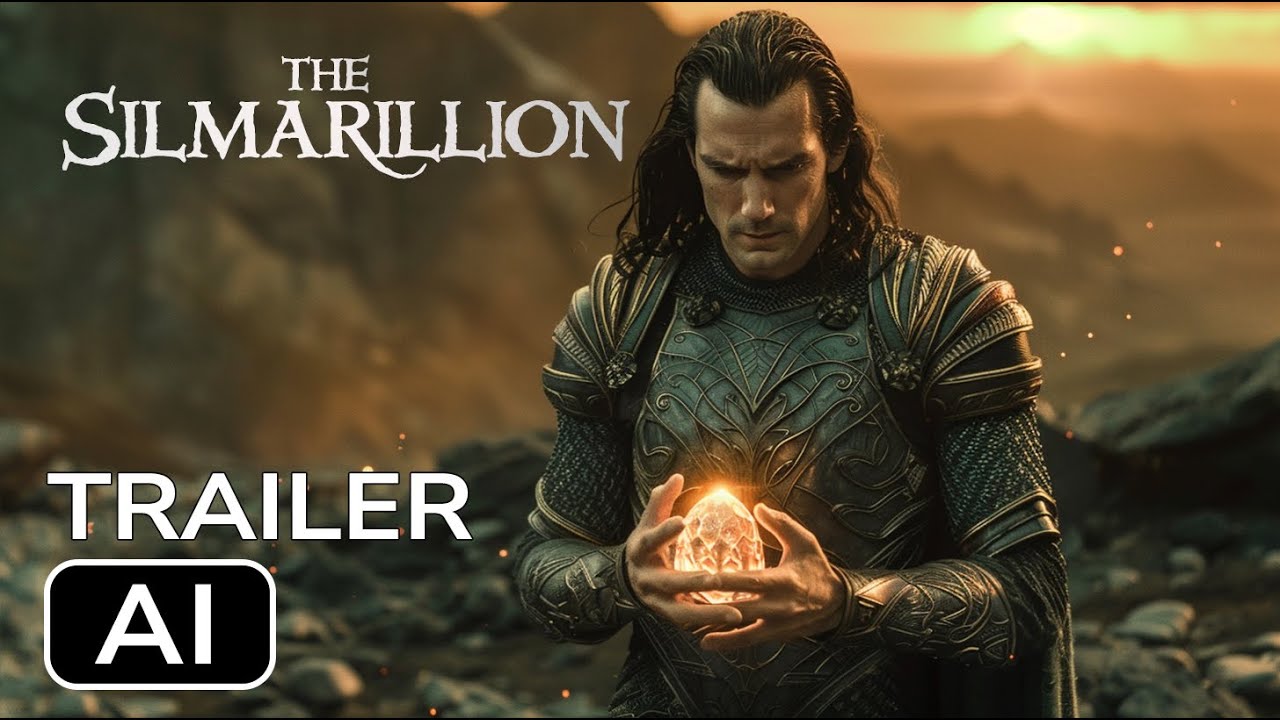
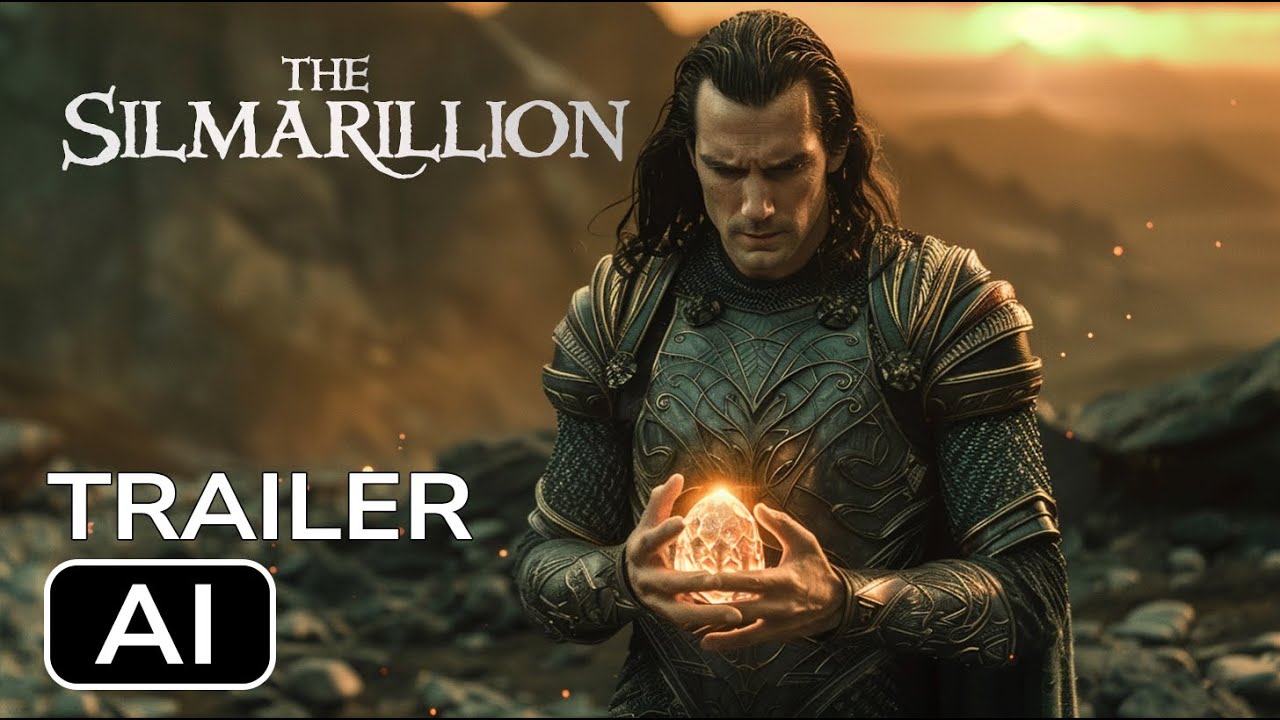
In the grand tapestry of cinematic history, few stories have captured the imagination of audiences as deeply as the epic saga of The Silmarillion. A rich and intricate tale filled with gods, dragons, and the irrevocable consequences of pride, this film adaptation is as complex as it is visually breathtaking. However, it’s not just a visual feast; it is an emotionally charged narrative about the fall of light, the betrayal of trust, and the apocalyptic consequences that ripple across time.

The Valar’s Withdrawal
The movie opens with a moment of profound loss—the theft of the Silmarils. In their absence, the Valar, divine beings responsible for shaping the world, retreat into the void. This decision, though necessary for their survival, is a deeply melancholic one. The loss of their presence marks a crucial turning point in the narrative, signaling the rise of darker forces and the slow unraveling of the world as the Valar withdraw.

The Elves’ Pursuit
In response to the theft, the Elves—once devoted protectors of light and peace—embark on a perilous journey westward. Their pursuit is symbolic of the struggle to preserve purity and justice in a world becoming increasingly fractured. The cinematic portrayal of their journey, filled with beautiful yet haunting landscapes, serves as a stark contrast to the growing chaos that follows in the wake of the Valar’s departure.

The War of Wrath
Perhaps the most awe-inspiring sequence in the film comes during the War of Wrath. Dragons fill the sky, and the oceans themselves seem to rebel against the earth. It is a cataclysmic event that reshapes the very geography of the world. The battle between light and darkness, gods and mortals, is not just a physical confrontation but an ideological one. The film does an excellent job of highlighting the futility of war, as entire continents sink beneath the waves, leaving only devastation in their wake.
The Breaking of the World
The final act of the film brings the inevitable conclusion of this tragedy. The world is broken, and the once-glorious Valinor is hidden away, unreachable by mortal beings. This moment is one of the most emotionally charged in the film, as it signifies the irrevocable end of an era. The film ends with a sense of emptiness—a world forever changed, its light dimmed, and its hope extinguished.
Verdict: 10/10
The Silmarillion is not merely a film; it is a cinematic experience that transports viewers to a world of profound loss and bittersweet beauty. Its exploration of power, pride, and the price of immortality is matched only by its stunning visual effects and rich, immersive world-building. The light was lost, and the world was irrevocably changed, but through the ashes of destruction, this film manages to tell a story of lasting impact.