


A Kingdom at Peace, a Legend That Refuses to Sleep
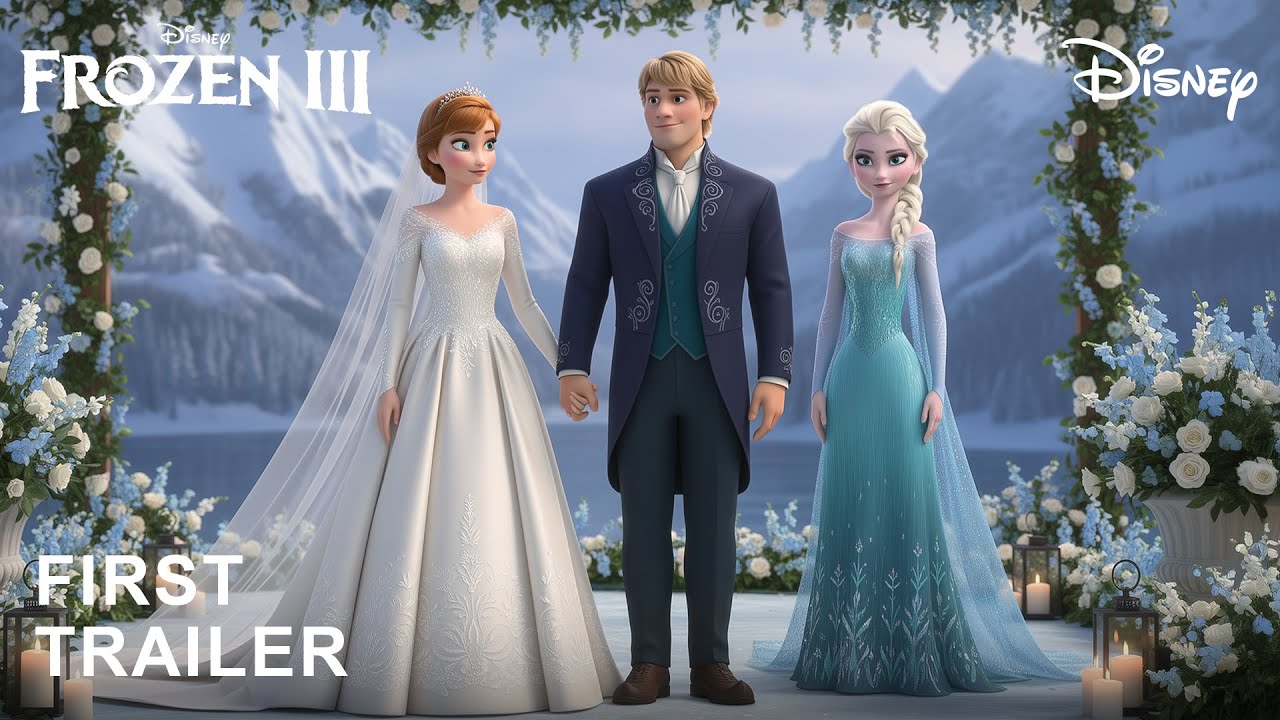
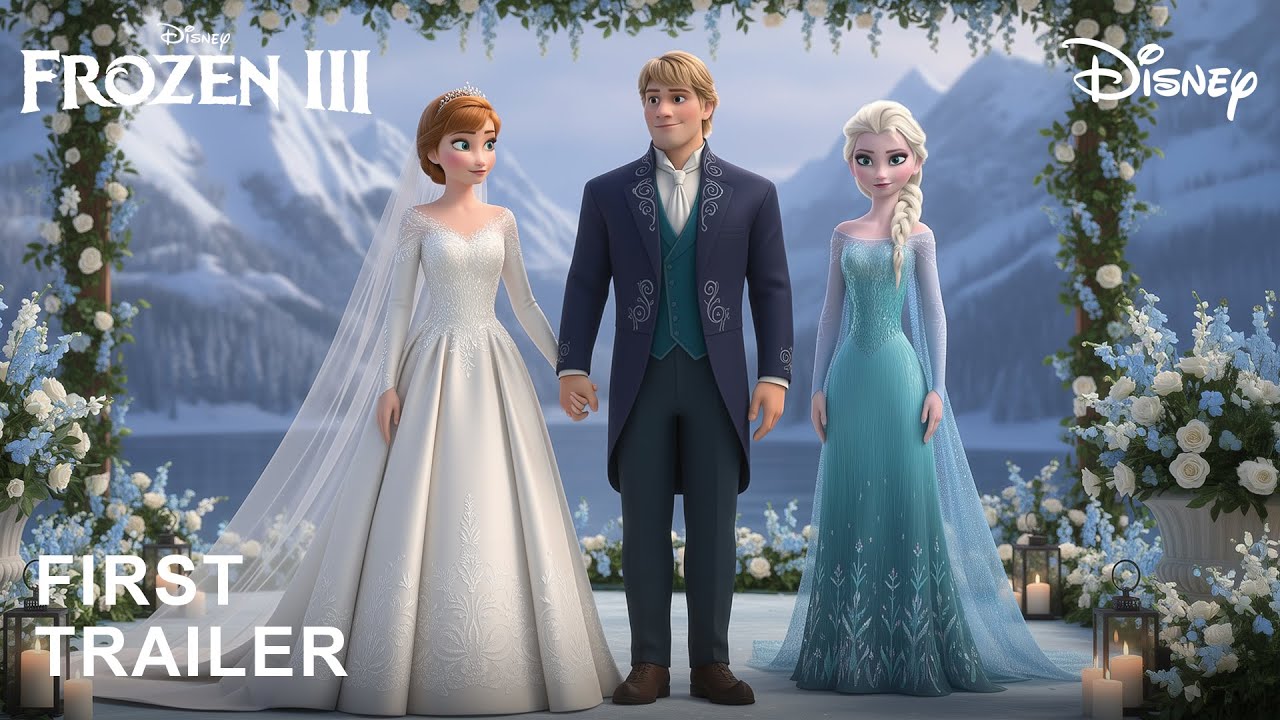
By the time Frozen 3: The Golden Flower opens, Arendelle is finally enjoying the quiet it earned through sacrifice and song. Anna rules with a steady, human hand. Elsa has found a balance with her powers that once felt impossible. And yet, as every fairy tale knows, peace is rarely permanent. Disney’s third chapter in its modern animated saga understands this instinctively, beginning not with spectacle but with a whisper: a legend older than Elsa’s magic, older than the kingdom itself.

The Golden Flower, a myth said to predate elemental power, becomes the film’s organizing idea. It is not merely a plot device but a question posed to the audience: what happens when the source of who you are threatens to change? This is Frozen 3 at its most confident, trusting its mythology to carry emotional weight rather than rushing to dazzle.

Elsa’s Power, Reconsidered
Elsa has always been a character defined by control and fear of its absence. Here, her powers react in unfamiliar ways, as though responding to a memory she never knew she had. Idina Menzel’s voice performance leans into restraint, conveying unease through hesitation rather than bombast. Elsa is no longer afraid of who she is, but she is unsure of where she came from, and that distinction matters.

The Golden Flower’s connection to the origin of magic reframes Elsa’s journey. Instead of learning to accept herself yet again, she must decide whether self-knowledge is worth the risk of transformation. The film wisely avoids easy answers, letting Elsa’s uncertainty breathe.
Anna the Queen, Anna the Sister
If Elsa’s arc is about identity, Anna’s is about responsibility. As Queen, Anna faces a dilemma that earlier films only hinted at: leadership requires sacrifice, and sometimes that sacrifice is personal. Kristen Bell delivers a performance shaped by resolve and quiet worry, capturing the tension between duty to a kingdom and loyalty to a sister.
The film’s strongest emotional moments come from Anna’s stillness rather than action. Her choice to follow Elsa into the unknown feels less like an adventure and more like a calculated risk, one made by a ruler who understands the cost of being wrong.
Olaf and the Wisdom of Change
Josh Gad’s Olaf remains the series’ comic relief, but Frozen 3 continues the character’s evolution into something gentler and surprisingly philosophical. Olaf’s discovery that even eternal things can change could sound trite on paper. On screen, it lands as a thematic refrain, echoing through the film’s central conflict.
Olaf is no longer just asking questions children ask; he is voicing the anxieties adults quietly carry. In a story about origins and endings, his perspective becomes essential.
A Sunlit Realm Beyond Winter
Visually, the film distinguishes itself by leaving behind the icy palette that defined its predecessors. The sisters’ journey to a sunlit realm untouched by winter introduces warm hues, organic architecture, and a forgotten civilization built around living magic. Disney’s animation team uses light not just as decoration but as storytelling, emphasizing growth, decay, and renewal.
This new setting feels less like a theme park expansion and more like a natural extension of the world. It suggests a broader ecosystem of magic, one that existed long before Arendelle and will likely outlast it.
Music That Serves the Story
The music in Frozen 3 resists the pressure to recreate the cultural phenomenon of its predecessors. Instead, the songs function as emotional punctuation marks. Elsa’s key musical moment is introspective, almost hesitant, while Anna’s is grounded and declarative. Together, they form a dialogue rather than competing anthems.
This restraint works in the film’s favor. The songs linger because they are earned, not because they demand repetition.
Themes That Grow With the Audience
- Origin vs. choice: Are we defined by where we come from, or by what we decide to do?
- Change as inevitability: Even magic is not immune to evolution.
- Leadership and love: Power is most meaningful when guided by compassion.
These themes suggest a franchise aware of its aging audience. Children will follow the adventure; adults will recognize the questions beneath it.
Final Verdict
Frozen 3: The Golden Flower does not try to freeze lightning in a bottle again. Instead, it allows its story to bloom naturally, embracing uncertainty and growth. It is a thoughtful continuation that respects its characters and its viewers, trusting that fairy tales can mature without losing their sense of wonder.
Like the legend at its center, the film understands that not all endings are meant to stay frozen. Some are meant to change us.