


A Franchise That Refuses to Stand Still
There is a particular kind of challenge that comes with reviving a beloved film legacy: you must honor the past without embalming it. The Karate Kid 2 (2026), the anticipated follow-up to Karate Kid: Legends (2025), steps onto that narrow bridge with surprising confidence. While the film has not yet reached audiences, its creative direction, casting continuity, and thematic ambition suggest a sequel more interested in growth than repetition.
As someone who has spent over a decade watching franchises trip over their own nostalgia, I find cautious optimism warranted here. The pieces are in place for something meaningful, not merely marketable.
Ben Wang’s Li Fong: The Student Who Must Now Decide Who He Is
Ben Wang returns as Li Fong, the franchise’s modern inheritor of the underdog mantle. In Legends, Li’s journey was about survival and self-belief, culminating in a New York tournament that fused kung fu fluidity with karate discipline. The Karate Kid 2 appears poised to ask the harder question: what comes after victory?
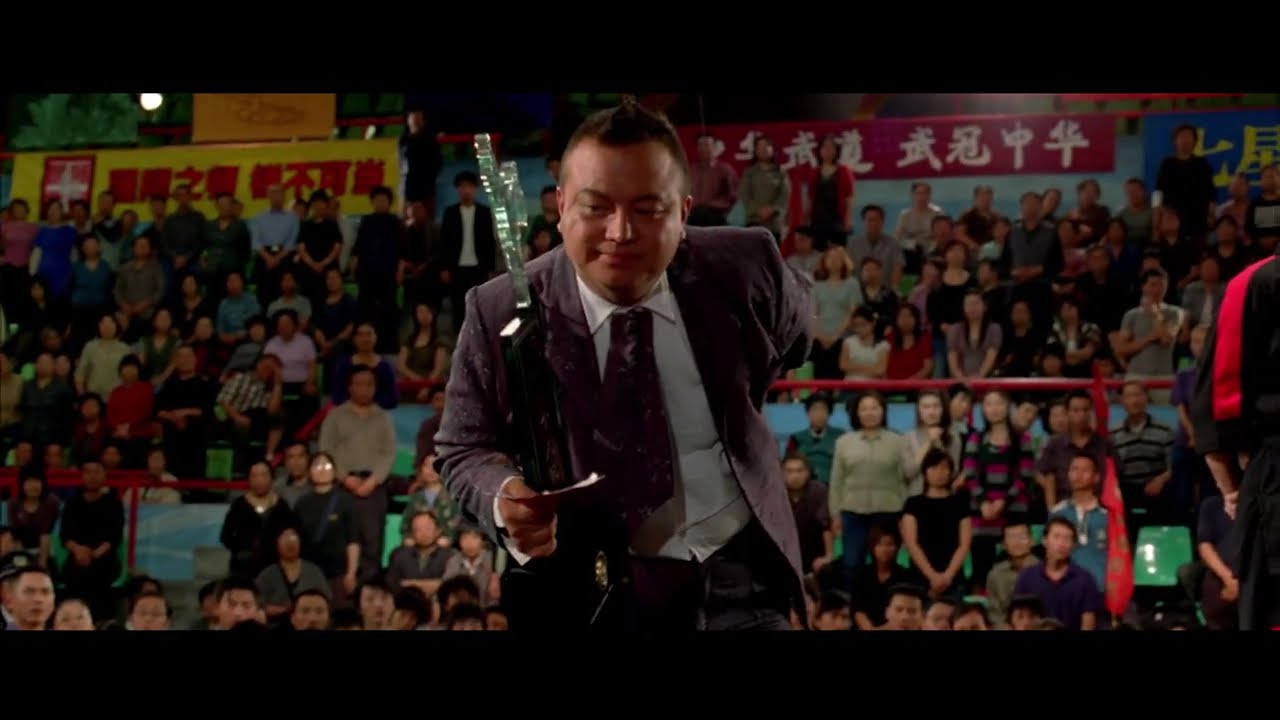
Early indications suggest Li is no longer fighting to prove he belongs, but to understand what kind of martial artist—and person—he intends to become. That shift matters. It transforms the narrative from a sports movie into a coming-of-age story with philosophical weight, echoing the best instincts of the original films.
A More Internal Conflict
- The pressure of expectation after public success
- Balancing humility with growing confidence
- The temptation to define strength as dominance rather than restraint
Jackie Chan’s Mr. Han: Wisdom in Motion
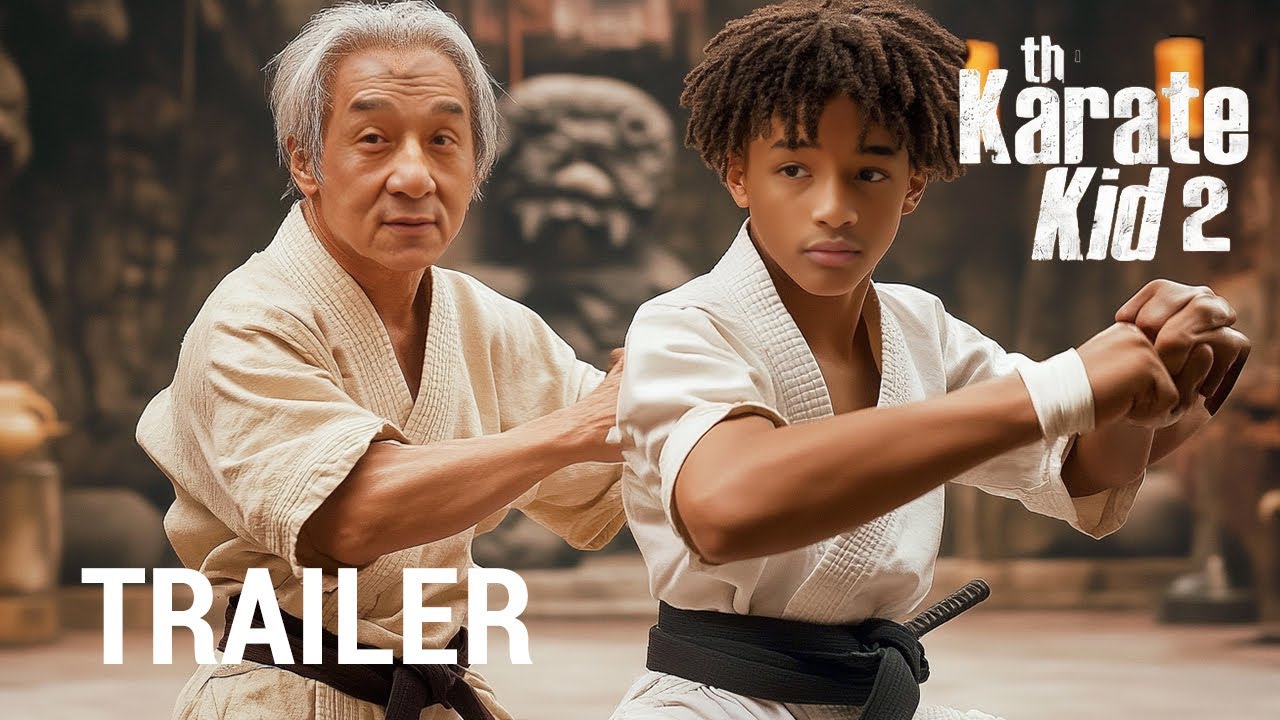
Jackie Chan’s return as Mr. Han remains the emotional anchor of this sequel. Chan has always been more than an action star; he is a storyteller whose body language carries humor, regret, and compassion in equal measure. Mr. Han’s mentorship style, rooted in patience and lived pain, provides a counterweight to Li’s youthful urgency.
What makes this pairing work is restraint. Mr. Han does not dominate the story; he redirects it. His presence reminds the audience that martial arts cinema, at its best, is about discipline shaping character, not fists chasing applause.
Two Styles, One Philosophy
The most intriguing promise of The Karate Kid 2 lies in its continued blending of kung fu and Miyagi-Do karate. This is not merely a visual gimmick. The philosophical tension between these styles reflects the film’s larger theme: harmony through balance.
Kung fu’s circular movement and karate’s direct precision become metaphors for decision-making, identity, and emotional control. When choreography reflects character, action transcends spectacle—and this franchise understands that tradition.
What the Action Appears to Prioritize
- Clear spatial storytelling over frantic editing
- Emotional stakes embedded within each confrontation
- Training sequences that emphasize process, not shortcuts
Visual Language and Setting
Concept imagery points toward a visual contrast between ancient spaces and modern environments. Temples, urban rooftops, and quiet training grounds appear designed to mirror Li’s internal conflict. This interplay of old and new has always been central to The Karate Kid identity, and it remains visually compelling when handled with care.
Cherry blossoms, open courtyards, and city noise are not decoration; they are punctuation marks in the story’s rhythm.
Legacy Without Imitation
The shadow of the original films looms large, and rumored echoes of Daniel LaRusso’s influence are felt more in spirit than in imitation. The sequel seems uninterested in recreating iconic moments beat-for-beat. Instead, it gestures toward them, trusting audiences to recognize lineage without demanding repetition.
This approach respects viewers who grew up with the franchise while inviting a new generation to claim it as their own.
Final Thoughts: A Sequel Worth Watching Closely
The Karate Kid 2 carries the burden of expectation, but also the freedom earned by its predecessor’s success. If it fulfills its promise, it will not be because of louder fights or bigger villains, but because it remembers why this story mattered in the first place.
At its core, The Karate Kid has always been about learning when not to strike. If the 2026 sequel embraces that truth with sincerity, it may once again remind us that balance is not found in victory, but in understanding what victory costs.