


Introduction
Child 44 is not a comfortable film, nor does it want to be. Set in the frostbitten moral vacuum of Stalin-era Soviet Union, the movie asks a simple but dangerous question: what happens when a government insists that evil does not exist, even as evidence piles up in the snow? Directed by Daniel Espinosa, this 2015 adaptation of Tom Rob Smith’s novel is a grim, deliberate thriller that trades easy suspense for existential dread.

A World Where Murder Is a Lie
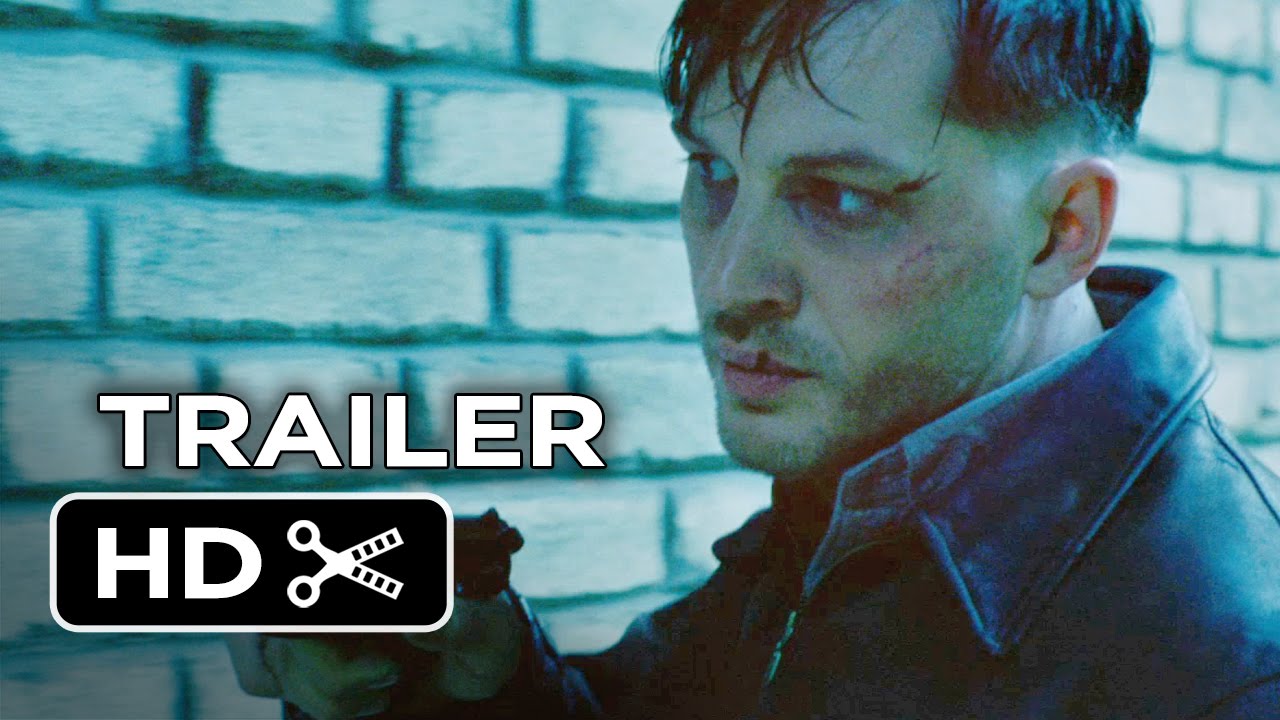
The film opens inside a state built on denial. Official doctrine claims there is no crime in a perfect socialist society, only enemies of the people. Into this contradiction steps Leo Demidov, played by Tom Hardy with clenched intensity. Leo is a decorated war hero and a loyal officer of the secret police, a man who believes in the system because belief has kept him alive.

When a series of murdered children threatens to expose the lie at the heart of the state, Leo is ordered to look away. His refusal costs him everything. Stripped of rank and exiled to a bleak industrial outpost with his wife Raisa, Leo begins to understand the true price of obedience.
Tom Hardy’s Performance: A Study in Contained Collapse
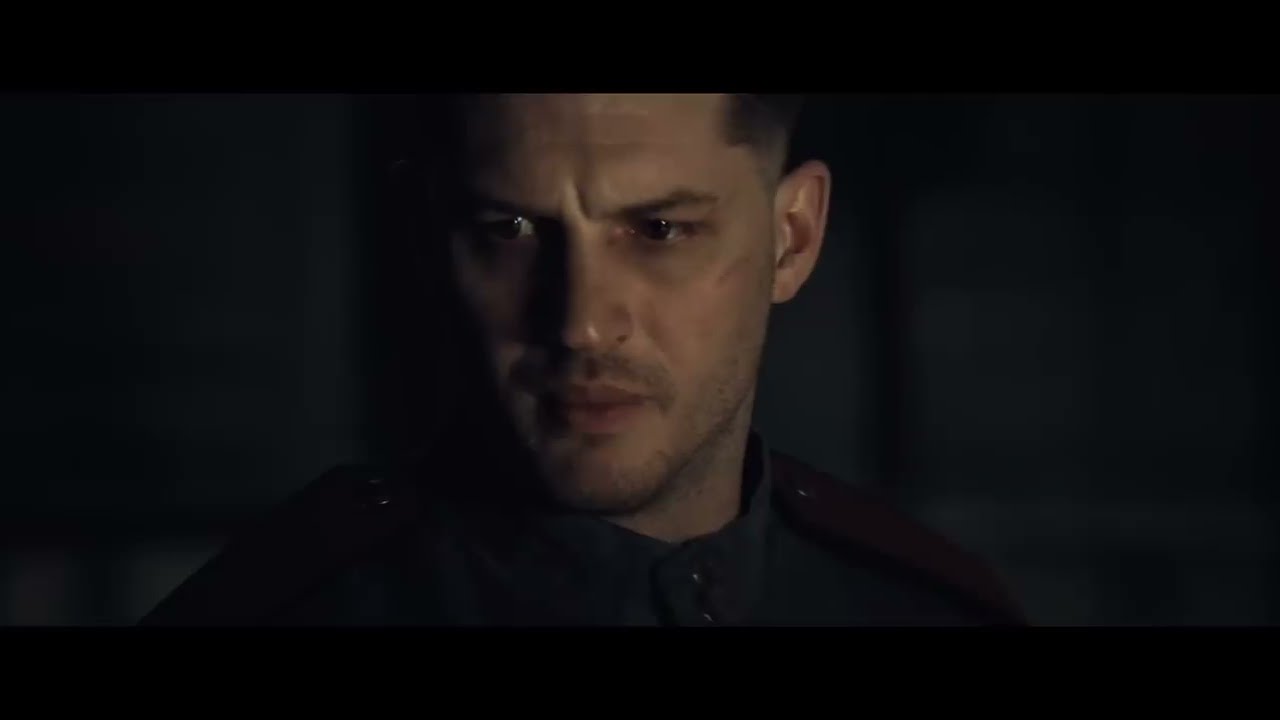
Hardy’s performance is the film’s emotional anchor. This is not a charismatic hero or a conventionally sympathetic protagonist. Leo is rigid, suspicious, and emotionally constipated, a man shaped by violence and fear. Hardy communicates this through physicality more than dialogue: the stiff posture, the ever-tightening jaw, the eyes that seem to scan every room for threats.
As Leo’s faith in the system erodes, Hardy allows cracks to form slowly. The transformation is not cathartic or triumphant. It is painful, incremental, and deeply human. Leo does not become a savior; he becomes a witness, and that is far more dangerous in this world.
Noomi Rapace and a Marriage Under Surveillance
Noomi Rapace brings steely restraint to Raisa, Leo’s wife, whose guarded demeanor hints at secrets of her own. Their marriage is less a romance than a survival pact, shaped by mutual distrust and the ever-present possibility of betrayal. Rapace plays Raisa as a woman who has learned that silence can be a form of resistance.
Their relationship becomes the film’s quiet emotional core. In a society where even love can be weaponized, intimacy is fragile and hard-won.
Supporting Cast and Institutional Rot
The ensemble cast deepens the film’s sense of moral decay:
- Gary Oldman embodies a high-ranking general whose weary menace suggests a man crushed by the system he enforces.
- Joel Kinnaman is chilling as a petty bureaucrat who wields cruelty with bureaucratic enthusiasm.
- Vincent Cassel injects volatile unpredictability, a reminder that unchecked power often attracts the unhinged.
None of these characters are caricatures. They feel like natural byproducts of a state that rewards obedience and punishes conscience.
Direction, Atmosphere, and Visual Dread
Daniel Espinosa excels at creating atmosphere. The film is soaked in mud, shadow, and cold light. Interiors feel claustrophobic, stacked with endless files and echoing hallways. Exteriors offer no relief, only vast, indifferent landscapes that mirror the characters’ isolation.
The pacing is deliberately slow, sometimes to the film’s detriment. There are moments where the narrative drags, and the inconsistent accents may briefly pull viewers out of the illusion. Yet this measured tempo serves a purpose. Child 44 is less interested in the mechanics of a serial killer hunt than in the psychological toll of living inside a lie.
Themes: Truth as a Dangerous Weapon
At its core, Child 44 is about the cost of truth. In this world, seeking justice is itself a subversive act. The real antagonist is not the killer stalking children along the rail lines, but a system that finds murder less threatening than honesty.
The film suggests that terror deforms everyone it touches, perpetrators and victims alike. It is a bleak worldview, but an honest one, rooted in historical reality.
Final Verdict
Child 44 is a dark, deliberate, and unsettling film that will test the patience of viewers expecting a conventional thriller. Its rewards are subtle rather than immediate. Anchored by a formidable Tom Hardy performance and enriched by a chilling historical backdrop, it remains an underrated slow-burn that lingers long after the final frame.
This is not entertainment designed to comfort. It is cinema that challenges, disturbs, and ultimately reminds us how fragile truth becomes when fear runs the state.