




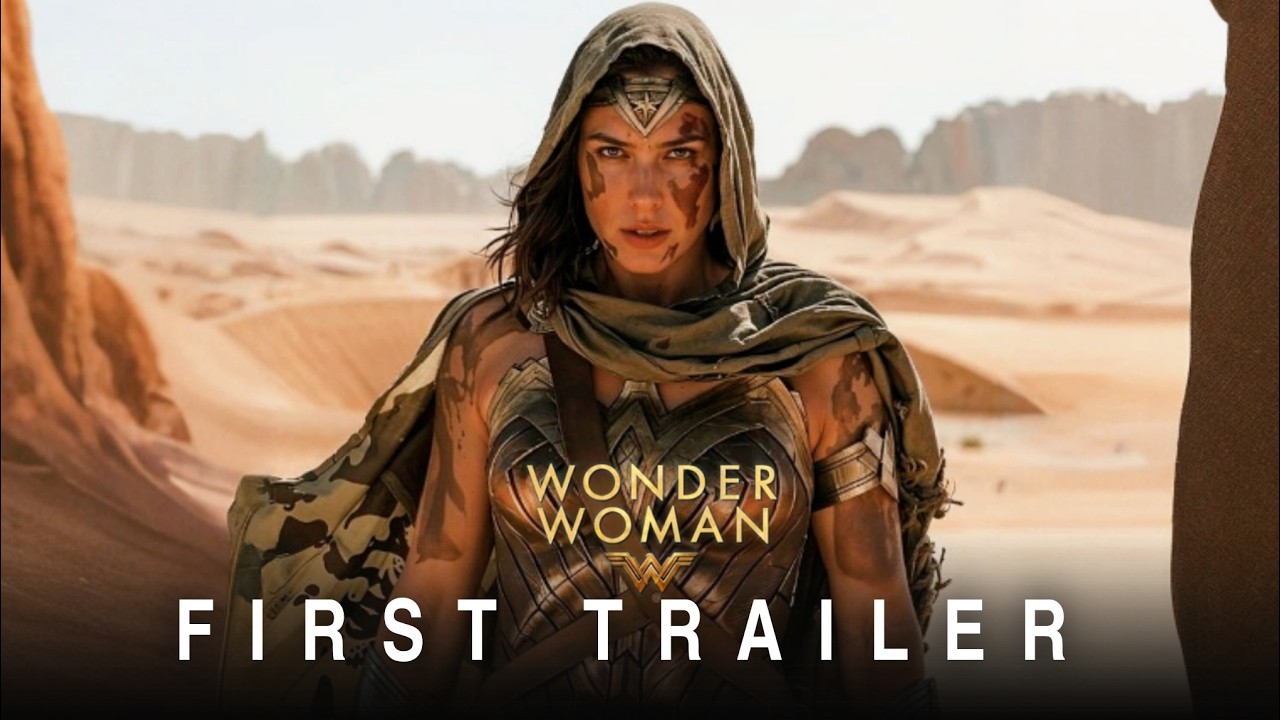
Introduction
The world of Diana Prince has evolved far beyond the warrior we once knew. In Wonder Woman (2026), directed by Patty Jenkins, Diana finds herself in a world teetering on the edge of chaos, a world in which the gods no longer remain silent. This is not just another superhero movie; this is an epic saga of mythology, betrayal, and rediscovery. With the rise of an ancient enemy, Diana’s journey will take her through a labyrinth of dark magic and familial betrayal, forcing her to confront what it truly means to be a hero.

The Storyline
At the heart of this mythic continuation of Diana’s story is a struggle not only against an external force but against a broken past. Diana, a warrior of unmatched courage and strength, is called to face an ancient nemesis: Hecate, the banished goddess of witchcraft. She rises from the depths of myth to seek vengeance on the gods of Olympus. As dark magic floods the Earth, and the world begins to spiral into chaos, Diana returns to her homeland, Themyscira, hoping to unite the Amazons for one final battle.

The Themes of Betrayal and Unity
What sets this installment apart is the personal stakes at play. Diana’s journey is not only about saving the world, but also about grappling with a fractured bond with her sisters. Secrets buried deep within Amazonian history threaten to tear apart the very unity Diana hopes to restore. The film brilliantly weaves together themes of betrayal, unity, and the price of leadership as Diana is forced to navigate between loyalty to her family and the greater good.

The Battle Between Love and War
Wonder Woman’s legacy has always been defined by her dual nature — a being born of both love and war. This theme reaches new depths in Wonder Woman (2026). Diana must not only confront external threats but also reckon with her own heritage. In doing so, she redefines what it means to be a hero in a world where truth is no longer an absolute. The film captures the complexity of Diana’s character as she wields the full power of her divine ancestry while remaining grounded in her core principles of justice and compassion.
Visuals and Action
Visually, Wonder Woman (2026) continues the tradition of epic, larger-than-life battles. The action sequences are breathtaking, from the epic confrontations with gods to the intimate moments that reveal Diana’s internal struggles. The use of dark magic and sorcery adds a unique, mystical layer to the film’s action, differentiating it from its predecessors. The visual effects team deserves immense credit for bringing Hecate and her dark forces to life in such a compelling and chilling manner.
The Performances
Gal Gadot once again delivers a stellar performance as Diana Prince. Her portrayal of a hero burdened by loss and the weight of leadership is both nuanced and powerful. Alongside her, the supporting cast brings their own strengths, particularly Connie Nielsen as Hippolyta and the new addition of Hecate, played by Charlize Theron. Theron’s portrayal of the banished goddess is both menacing and tragic, giving the character depth beyond her role as an antagonist.
Conclusion
Wonder Woman (2026) is a triumph for the franchise, blending ancient mythology with contemporary struggles. It’s a film about power, identity, and the choices that define us. With its epic scale, emotionally charged narrative, and stunning visuals, it’s not just a superhero film — it’s a mythic journey that redefines what it means to be a hero. As Diana faces her destiny, we are reminded that even in the darkest times, hope can rise from the ashes of the past.