




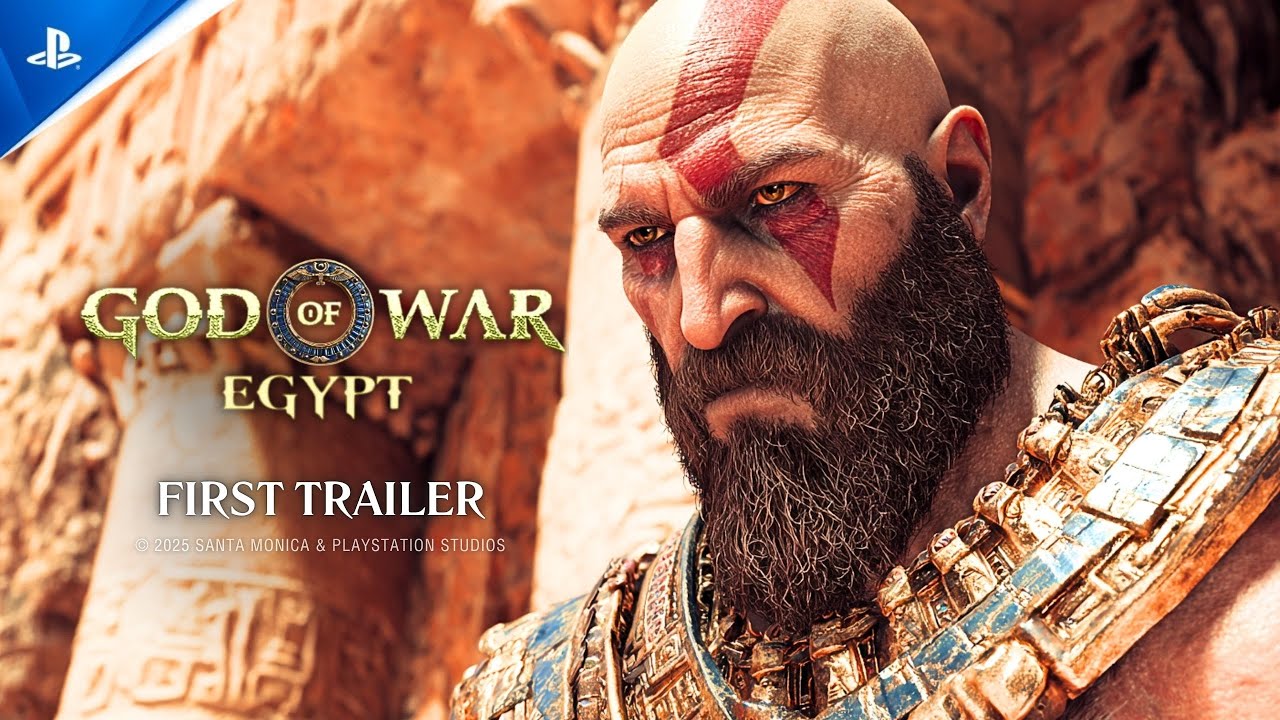
God of War: Egypt (2025) – A Brutal New Chapter in the Saga
For over a decade, the God of War franchise has captivated gamers worldwide with its visceral storytelling and immersive worlds. With the 2025 release of God of War: Egypt, this legendary saga takes a bold new direction, bringing Kratos and Atreus to the scorching sands of ancient Egypt. The result? A compelling, emotionally charged, and mythologically rich experience that pushes the boundaries of the series in exciting new ways.

A Journey South: Into the Heart of Egypt
Following the dramatic events of the Norse pantheon, Kratos and Atreus set out in search of answers and peace. However, in a world ruled by the gods of Egypt—Ra, Anubis, Set, and others—peace is nothing more than a mirage. The gods’ reign is brutal and oppressive, enslaving humanity and bending the world to their will. It’s a world where violence is commonplace, and even the most sacred places are tainted by bloodshed.

The Power of the Gods
The introduction of the Egyptian pantheon brings a unique twist to the franchise. While the Norse gods were already formidable, the Egyptian gods’ personalities and motivations feel distinctly more ruthless. Ra’s sun-kissed might, Set’s treachery, and Anubis’s ominous presence offer a new level of divine cruelty, further amplifying the stakes for Kratos and Atreus.

Yet, beneath the golden temples and sun-drenched ruins, there lies an insidious power—the Ghost of Sparta, a force long feared by gods and men alike. Kratos, already a living legend in his own right, finds himself drawn back into the world of gods and monsters, a world that is once again on the brink of war. The once-clear lines between good and evil blur, and Kratos is forced to confront not only his physical foes but his growing inner conflict.
The Emotional Journey of Kratos and Atreus
At the heart of God of War: Egypt lies the emotional journey of father and son. Kratos, now weary from his battles with gods past, is forced to reckon with a new fear—the growing darkness within Atreus. The question of whether Atreus’s destiny is doomed to follow the same path as his father’s haunts Kratos throughout the game. The dynamic between the two is more poignant than ever, with Atreus becoming more independent while Kratos struggles to protect him from a future filled with danger and deception.
The Combat and Mythology
The combat in God of War: Egypt is as brutal and satisfying as ever, with new weapons and abilities that fit seamlessly within the mythology of ancient Egypt. The beasts that Kratos faces, from giant serpents to mythical sphinxes, offer fresh challenges, and the boss battles are as thrilling as any in the series. But it’s the game’s rich mythological backdrop that truly elevates the experience. The story weaves together Egypt’s ancient gods and monsters with Kratos’s own legendary past, creating a narrative that feels both familiar and new.
A Darker Future
As Kratos battles gods and monsters alike, it becomes increasingly clear that God of War: Egypt is setting the stage for a darker, more complex future. The sands of Egypt run red with the blood of gods, and Kratos must face not only the gods of the Nile but also his own growing fear for the future of his son. With each victory, the question looms: Can Kratos protect Atreus from the shadows of his own fate, or will the cycle of bloodshed continue?
Conclusion
God of War: Egypt is more than just a new chapter in the series; it’s a dark, emotional, and mythologically immersive journey that explores the complex relationships between gods, monsters, and men. With stunning visuals, deeply personal storytelling, and intense combat, it’s a worthy addition to the God of War legacy. Kratos may have slain gods before, but in Egypt, he faces an enemy more insidious than any he’s encountered before—his own fears for the future.