




Introduction
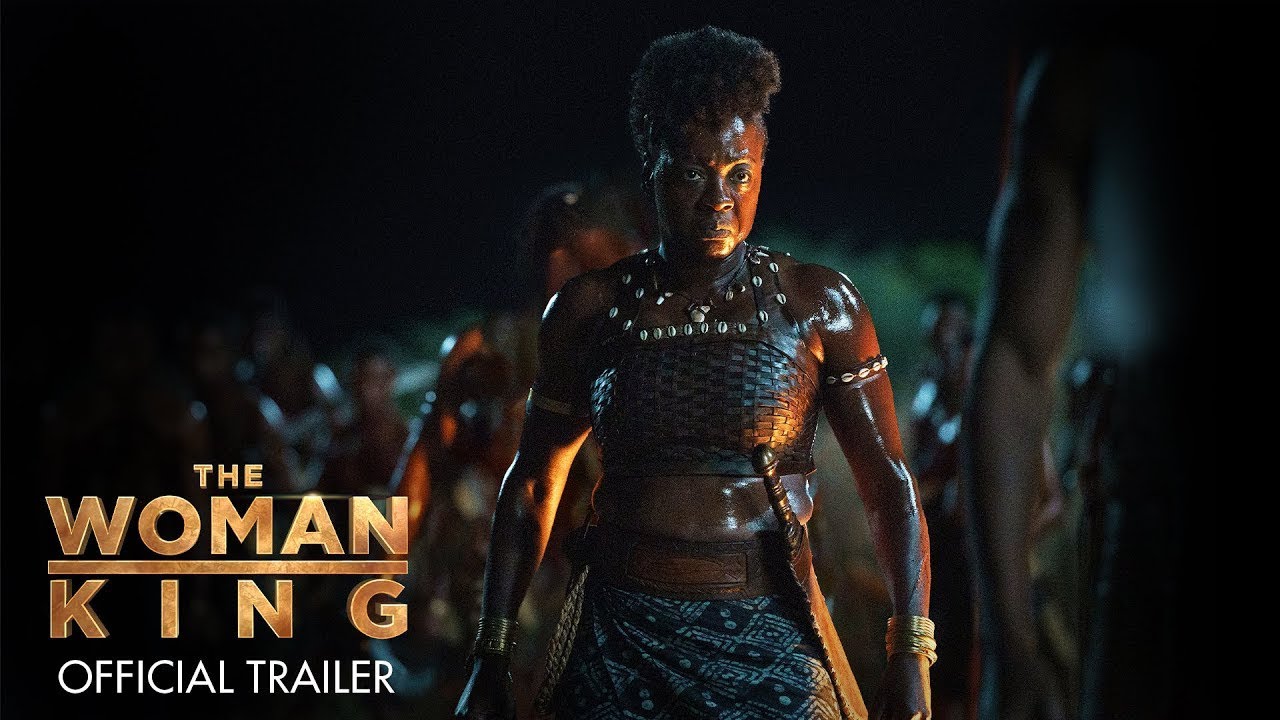
In the epic historical drama The Woman King, directed by Gina Prince-Bythewood, the audience is transported back to the 1820s, where an all-female warrior unit of the Kingdom of Dahomey, known as the Agojie, stand as guardians of their land against invaders. The film, inspired by real events, is not only a breathtaking action spectacle but also a deep exploration of courage, legacy, and sisterhood. With powerful performances, particularly from Viola Davis, the movie tells the story of a group of women fighting not just for survival, but for freedom and honor.

Plot Summary
The Woman King follows General Nanisca (Viola Davis), a seasoned leader of the Agojie, as she trains a new generation of warriors to defend their kingdom from both external and internal threats. Among the new recruits is Nawi (Thuso Mbedu), a young woman who must prove herself worthy of joining the elite force. The narrative intricately weaves together the personal struggles of its characters, the political landscape of the era, and the enduring power of sisterhood.

Historical Context and Themes
The film is set against the backdrop of the 1820s, a time when the Kingdom of Dahomey faced increasing pressure from European colonial powers and rival tribes. The Agojie, known for their fierce and unyielding fighting skills, become the last line of defense against these threats. What makes The Woman King compelling is its exploration of power—both external and internal—and how the strength of these women is tested not only in battle but in their personal struggles with the past, duty, and their identities as warriors.

The Power of Sisterhood
At its heart, The Woman King is a celebration of sisterhood. The bond between the women of the Agojie is forged through shared purpose and mutual respect. This theme is highlighted in several powerful moments throughout the film, especially as General Nanisca trains her new recruits, including Nawi. Their journey is not just about mastering the art of war but about understanding what it means to fight for something greater than themselves—a commitment to freedom, honor, and one another.
Performance and Direction
- Viola Davis delivers a masterful performance as General Nanisca, embodying the character’s strength, vulnerability, and determination with stunning depth.
- Thuso Mbedu shines as Nawi, bringing a fresh energy and emotional depth to her character as she navigates the challenges of her training and her evolving understanding of what it means to be a warrior.
- Gina Prince-Bythewood directs with confidence and finesse, blending action and drama seamlessly while never losing sight of the emotional core of the story.
Action and Cinematography
One of the most striking elements of The Woman King is its breathtaking battle choreography. The film captures the intensity and precision of the Agojie’s fighting techniques with exhilarating sequences that are as visually stunning as they are brutal. The cinematography, paired with a poignant score, adds to the grandeur of the film, ensuring that each moment—whether on the battlefield or in quiet reflection—feels meaningful.
Final Thoughts
The Woman King is a film that transcends its action-packed surface to explore themes of legacy, sacrifice, and sisterhood. The emotional weight of the story, combined with exceptional performances and stunning visuals, makes it a cinematic experience that resonates long after the credits roll. It is a tribute to the untold heroes of history, and a powerful reminder of the strength that lies within women when they fight for what they believe in.
In the end, The Woman King reminds us that “some things are worth fighting for,” and it is a call to recognize the battles fought not only on the frontlines but also in the heart and soul of every individual who dares to stand for freedom, honor, and love.