



Introduction: The Rise of a New Pantheon
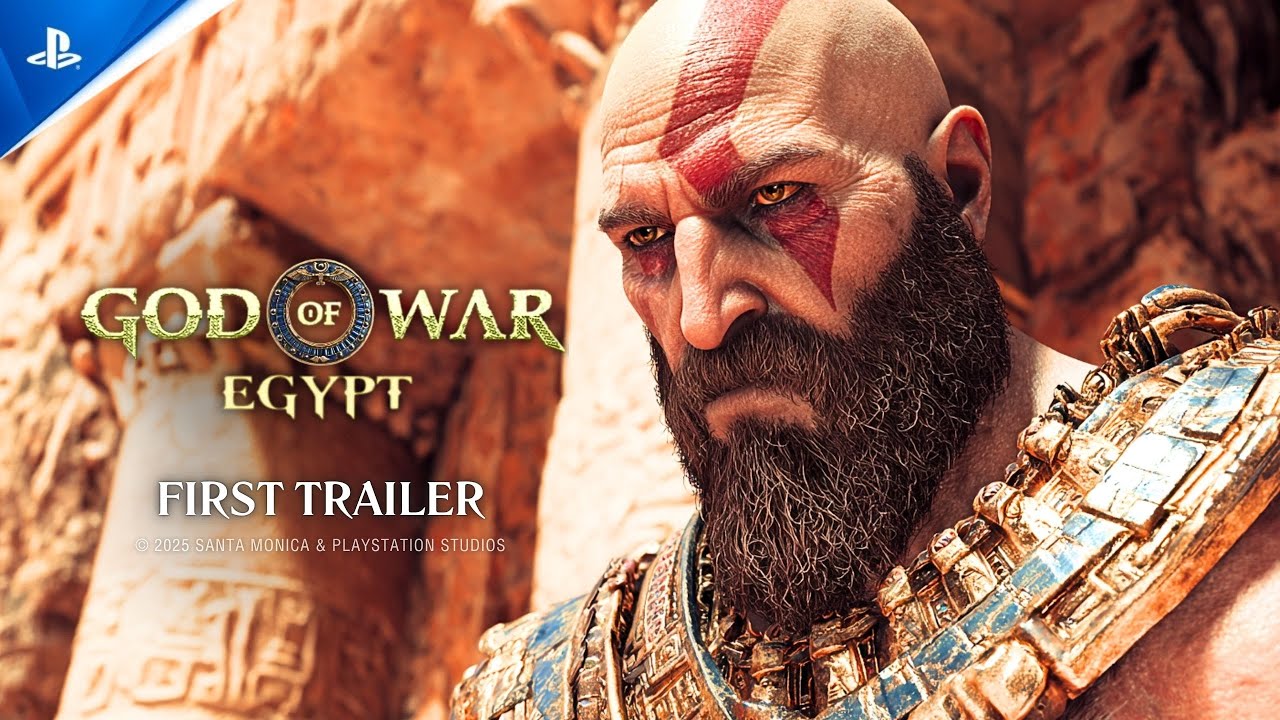
In 2025, God of War: Egypt takes players on a thrilling and brutal journey through the scorching sands of ancient Egypt. This new chapter in the God of War franchise explores the clash between Kratos and a new pantheon of gods, while diving deep into themes of fate, destiny, and the violence that defines both the mortal and divine realms.

The Story: Kratos and Atreus Seek Peace
Following the fall of the Norse pantheon, Kratos and his son Atreus journey south, hoping to find answers and perhaps, some semblance of peace. However, in the arid deserts of Egypt, peace is a mere illusion. The gods of Egypt, led by Ra, Anubis, Set, and others, rule with ruthless power, enslaving mortals and bending the world to their will.

New Gods, Same Rage
The game’s narrative is centered around a new pantheon of gods, each more unforgiving and cruel than the last. Ra, the sun god, watches over the world with a blind yet tyrannical gaze. Anubis, the god of death, is as calculating as he is terrifying. Set, the god of chaos, rules over the deserts with chaos and destruction in his wake.

Despite the oppressive rule of these gods, something stirs in the shadows—Kratos, the Ghost of Sparta, has slain gods before, and he will not hesitate to do so again. As the plot unfolds, it becomes clear that Kratos must confront not just these new gods, but also his growing fear that Atreus’s destiny might be darker than even he can imagine.
The Themes: War, Fate, and the Price of Peace
- The Cycle of Violence: As always, God of War is a meditation on the cyclical nature of violence. Kratos has sought peace for so long, but the violence he once wielded so easily always seems to catch up with him.
- Fate and Free Will: Atreus’s destiny is a central theme in this game. Kratos’s fear that his son may be destined for darker deeds highlights the overarching question of fate versus free will—a theme that runs deep through both Greek and Norse mythologies.
- The Cost of Power: The gods of Egypt are not just mythical beings—they represent the corrupting influence of power. The price of divinity is high, and the gods’ actions wreak havoc on both the mortal and divine realms.
Gameplay and Visuals: A Brutal Yet Beautiful Journey
God of War: Egypt does an excellent job of translating the majesty and menace of ancient Egypt into gameplay. The environments are stunning, from the golden temples to the sun-scorched ruins. The gameplay remains as brutal and engaging as ever, with Kratos’s combat style incorporating new weapons and abilities that reflect his struggle against these new gods.
The addition of Egyptian mythology gives the game a fresh yet familiar feel. The ancient beasts, divine creatures, and mythological beasts are designed in incredible detail, further immersing players into a world where gods walk among men, and death is just the beginning of a greater conflict.
The Emotional Core: A Father’s Fear
At the heart of this game is the relationship between Kratos and Atreus. Kratos’s deep concern for his son’s future is a poignant driving force throughout the narrative. As much as Kratos wishes to protect Atreus, he knows that the gods’ influence is far-reaching, and the boy’s path may be destined to take him down a darker road.
Conclusion: A Worthy Addition to the Saga
God of War: Egypt is an emotionally charged, mythologically rich, and brutally captivating chapter in the God of War series. The game builds upon the foundation laid by its predecessors, delivering a narrative that is both deep and thrilling. With gods, monsters, and a father’s love at the center, it is a journey that will leave players reflecting long after the credits roll.